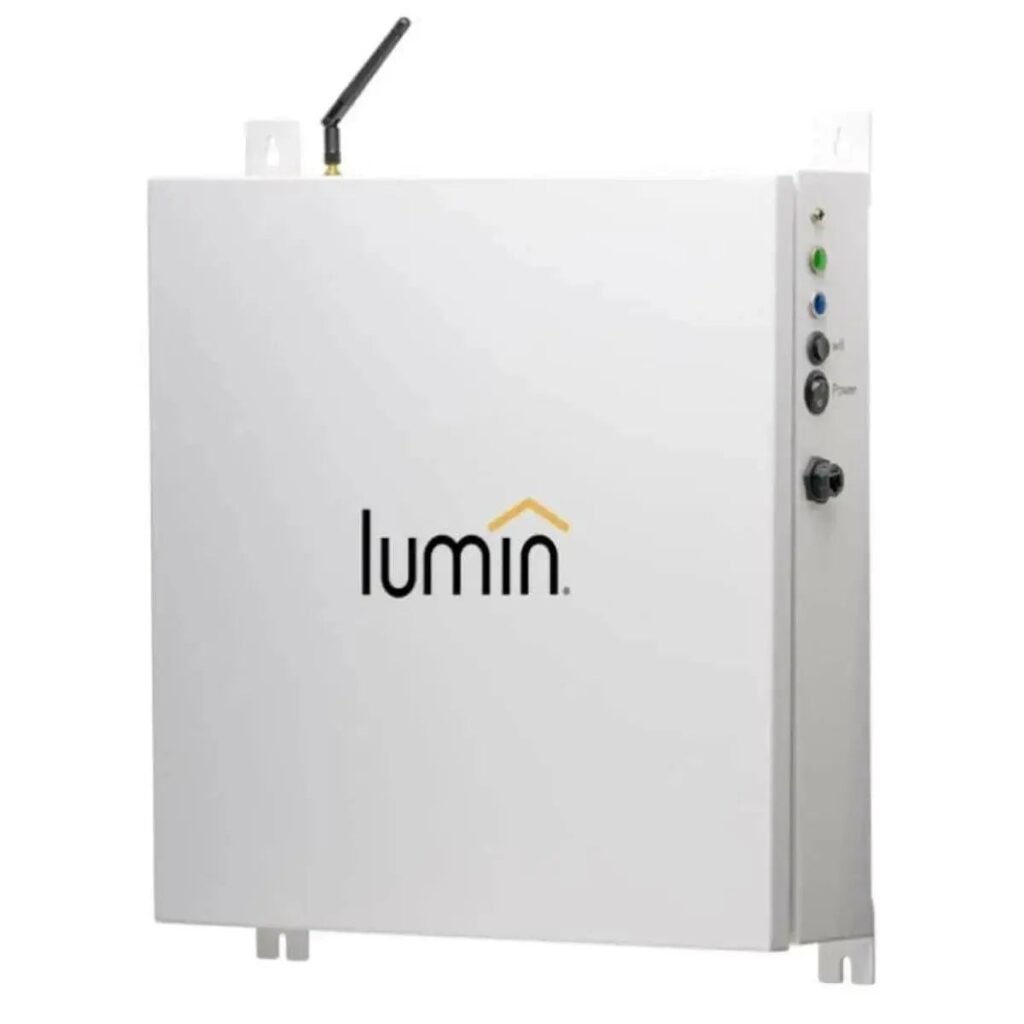
A smart panel swaps your dumb breaker box for one that can see and control power at the circuit level, not just the whole-house level. That’s a real upgrade for some homes and total overkill for others. Here’s how to tell which camp you’re in.
Signs a smart panel makes sense
- You’ve had a partial power outage before and had no idea which breaker actually tripped.
- You have a battery backup or generator and want it to automatically power only the circuits that matter during an outage.
- You want circuit-level energy data to spot what’s actually driving your electric bill.
- You’re adding an EV charger, heat pump, or other large load and want to monitor how it affects your panel’s capacity.
Signs you can skip it, for now
- Your panel has never given you trouble and you have no plans to add EV charging, solar, or a battery.
- You just want a general sense of home energy use, not circuit-by-circuit detail; a plug-in energy monitor is a lot cheaper.
- You’re on a tight budget; a smart panel is one of the pricier upgrades in this whole category.
The real cost question
A full smart panel replacement runs well into four figures installed, since it’s an electrical job that typically needs a licensed electrician. A retrofit add-on device is cheaper and faster to install, but usually covers fewer circuits.
The honest way to think about it: you’re paying for visibility and automation, not for electricity you wouldn’t otherwise use. If neither of those is worth real money to you, skip it and put the budget toward solar, a battery, or efficiency upgrades instead.
Bottom line
If you’ve already got backup power, a growing list of big electrical loads, or you’re just tired of guessing which breaker did what, a smart panel earns its keep. If your panel is quiet and your electrical needs are simple, save the money.